Why Lab-Grown Stones Improve lab grown diamond engagement rings
Wiki Article
Check Out Exquisite Lab Grown Diamond Engagement Rings for an Ageless Symbol of Your Love
Lab-grown diamond engagement rings have become an engaging option for pairs looking for both beauty and honest stability. These treasures mirror the sparkle of all-natural diamonds, yet they feature a smaller sized ecological impact. With numerous styles and modification choices available, each ring can inform a special story. As couples explore these choices, concerns concerning their importance and value develop, triggering a deeper check out what makes these rings a significant symbol of love.The Surge of Lab-Grown Diamonds: A Modern Love Story
As consumers increasingly seek lasting options, the appeal of lab-grown diamonds has risen, changing the engagement ring market. These morally created stones appeal to environmentally aware pairs who want a sign of love without the moral issues related to typical mining. Lab-grown diamonds offer the same appeal, sparkle, and top quality as natural diamonds however at a more available rate point. This shift in customer preference is reshaping the story around engagement rings, advertising a modern-day love tale that values sustainability and authenticity. Stores are reacting to this trend by broadening their offerings, making lab-grown options more common in precious jewelry shops. As an outcome, couples are encouraged to pick stunning, purposeful rings that show their worths and commitment to a better future.Comprehending the Process: Exactly How Lab-Grown Diamonds Are Made
While several may think that diamonds can just be created deep within the Planet's mantle, lab-grown diamonds are produced through innovative technological processes that duplicate these natural conditions. Both key approaches for generating these diamonds are High Stress Heat (HPHT) and Chemical Vapor Deposition (CVD) In the HPHT approach, carbon undergoes intense stress and temperature, imitating the natural development procedure. On the other hand, the CVD technique includes creating a plasma atmosphere where carbon atoms gradually down payment onto a substrate, creating diamond crystals in time. Both methods lead to diamonds that are chemically and literally the same to their extracted counterparts. Lab-grown diamonds offer a lasting option, offering the very same sparkle and elegance without the ecological impact associated with typical diamond mining.The Honest Choice: Why Choose Lab-Grown Diamonds?
Lab-grown diamonds present an engaging honest option for consumers concerned regarding the environmental impact of typical mining. These diamonds ensure a conflict-free condition, guaranteeing that no human civil liberties misuses are linked to their production. In addition, they use a cost-effective option without compromising high quality or elegance.Ecological Effect Factors To Consider

Conflict-Free Assurance
As customers come to be extra knowledgeable about ethical sourcing concerns, the charm of lab-grown diamonds depends on their intrinsic conflict-free guarantee. Unlike extracted diamonds, which might be related to financing conflict and human legal rights abuses in numerous regions, lab-grown diamonds are created in controlled environments, getting rid of any concerns related to unethical techniques. This guarantee reverberates particularly with socially aware buyers, that prioritize ethical factors to consider in their purchasing decisions. In addition, lab-grown diamonds undertake strenuous qualification processes, making certain transparency and traceability. By opting for these diamonds, customers sustain accountable techniques while appreciating the same physical and aesthetic high qualities as natural diamonds. This ethical choice shows a growing pattern toward valuing integrity and responsibility in the high-end market.Affordable Alternative
A compelling element of lab-grown diamonds is their cost-effectiveness, making them an eye-catching option for budget-conscious consumers. Typically valued 20-40% lower than all-natural diamonds, these lab-created rocks offer a considerable financial savings without compromising top quality or beauty. This economic benefit permits couples to buy larger or higher-quality diamonds than they could afford or else. Additionally, the moral production process of lab-grown diamonds allures to those that focus on sustainability and social responsibility. By picking these stones, consumers can delight in peace of mind, recognizing they are making a diligent option. As the demand for honest alternatives grows, lab-grown diamonds remain to become a appealing and sensible choice for engagement rings, mixing cost with modern values.Aesthetic Allure: Contrasting Lab-Grown and Mined Diamonds
The aesthetic appeal of lab-grown and mined diamonds is frequently analyzed through aesthetic clearness, brilliance, and general craftsmanship. Aspects such as color and cut high quality play considerable duties in identifying their elegance, while environmental and moral considerations likewise influence consumer preferences. lab grown diamond engagement rings. A contrast of these elements reveals the nuanced differences between the 2 choices, shaping the choices of potential purchasersVisual Quality and Sparkle
Visual clarity and sparkle offer as crucial consider reviewing the visual charm of both lab-grown and extracted diamonds. Lab-grown diamonds frequently show exceptional quality due to the regulated conditions in which they are created, getting rid of most of the blemishes and inclusions usually discovered in their natural counterparts. This improved clearness contributes to a stunning brilliance that captivates the eye. Alternatively, mined diamonds can possess distinct additions that some may like, as they reflect the stone's natural beginning and authenticity. Nonetheless, these inclusions can diminish total radiance. Ultimately, both kinds of diamonds can attain impressive visual clearness, yet lab-grown diamonds frequently radiate brighter, he said offering a modern choice without compromising the timeless elegance that defines an involvement ring.Color and Cut Top Quality
Shade and cut quality substantially affect the general aesthetic appeal of both lab-grown and extracted diamonds. The Gemological Institute of America (GIA) identifies diamond color on a scale from D (colorless) to Z (light yellow) Lab-grown diamonds can achieve the same color qualities as their extracted equivalents, permitting consumers to choose stones that match their choices. Furthermore, the cut of a ruby substantially affects its luster and glimmer. Superb cut diamonds mirror light preferably, boosting visual charm. Both types of diamonds can exhibit exceptional cut quality, but lab-grown alternatives might provide extra accurate cuts as a result of sophisticated manufacturing methods. Eventually, the selection in between both relies on individual taste and wanted features in an involvement ring.Honest and Ecological Factors to consider
While both lab-grown and extracted diamonds can be visually sensational, ethical and ecological factors to consider play a considerable duty in the decision-making procedure additional info for numerous customers. Lab-grown diamonds are produced in regulated environments, making sure that no dishonest mining practices are entailed. This transparency attract those concerned regarding civils rights infractions commonly related to mined diamonds. In addition, lab-grown diamonds have a smaller sized ecological footprint, as their manufacturing typically requires much less water and power than conventional mining, which can ravage ecological communities. On the other hand, mined diamonds typically come from regions tormented by problem and ecological degradation. As understanding of these concerns grows, many couples are picking lab-grown options, seeing them as an accountable option that lines up with their worths while still commemorating their love.Personalization Options: Creating Your Perfect Engagement Ring
Just how can one develop a truly distinct engagement ring that shows personal style and sentiment? Modification alternatives for lab-grown diamond engagement rings allow pairs to tailor their jewelry to their details preferences. From selecting the diamond shape-- such as round, princess, or oval-- to choosing the band product, alternatives abound. Pairs can include different steels, including white gold, yellow gold, or platinum, to achieve their wanted visual. Setting styles, like solitaire or halo, additionally boost customization. Furthermore, etching inside the band can include a nostalgic touch, featuring initials or significant days. With these adjustable aspects, each engagement ring ends up being a distinctive depiction of love, merging elegance with individual importance. This process guarantees the ring is as special as the relationship it represents.Caring for Your Lab-Grown Diamond: Maintenance Tips
Preserving the luster of a lab-grown diamond calls for cautious attention and routine care. To keep the diamond gleaming, it is crucial to clean it on a regular basis using a soft brush and mild soapy water. Avoid extreme chemicals and ultrasonic cleaners, which can damage the stone. Furthermore, keeping the ring independently in a soft cloth or a specialized box aids protect against scratches. lab grown diamond engagement rings. When involving in activities that might reveal the ring to dirt or potential damage, eliminating the ring is advisable. Routine assessments at a jewelry expert can guarantee that look at this web-site the setting stays safe. By following these simple upkeep ideas, one can protect the beauty and integrity of their lab-grown diamond engagement ring for many years aheadReal Couples, Genuine Stories: Lab-Grown Diamond Engagement Ring Experiences
What influences couples to select lab-grown diamond engagement rings? Numerous pairs are attracted to the moral and ecological benefits of lab-grown diamonds, which are created without the negative influences linked with typical diamond mining. Genuine tales expose that pairs value the clearness and sparkle of these rocks, commonly going with larger or more elaborate layouts than they could pay for with all-natural diamonds. As an example, Jenna and Mark shared their enjoyment regarding discovering a spectacular lab-grown ring that lined up with their values, permitting them to invest a lot more in their wedding event experience. In a similar way, Sarah and Tom revealed happiness in choosing a distinct style that showed their individualities, highlighting the convenience and affordability of lab-grown diamonds. These experiences stress that love and intent form every choice.Frequently Asked Concerns
Are Lab-Grown Diamonds More Inexpensive Than Mined Diamonds?
Lab-grown diamonds are typically a lot more economical than mined diamonds, often setting you back 20-40% much less. This cost distinction emerges from reduced production expenses and the absence of mining costs, making them an appealing choice for budget-conscious customers.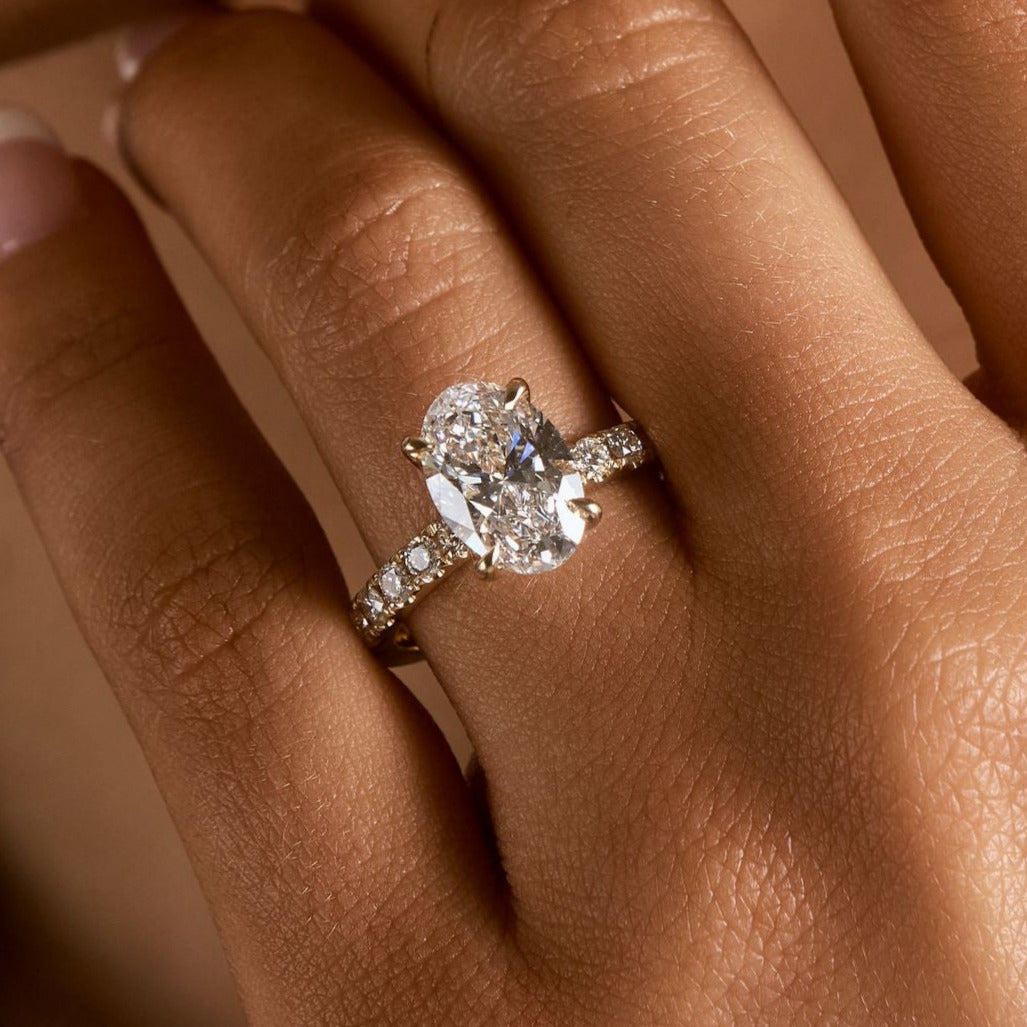
Just How Can I Tell if a Ruby Is Lab-Grown?
To determine if a diamond is lab-grown, one can examine for qualification from trusted gemological research laboratories, seek certain inscriptions on the stone, or use sophisticated screening techniques that set apart natural from artificial diamonds.Do Lab-Grown Diamonds Hold Their Value Over Time?
Lab-grown diamonds typically do not hold their worth as well as natural diamonds. Their resale market has a tendency to be much less durable, leading to reduced long-lasting gratitude and possibly considerable depreciation compared to extracted equivalents.What Are the Guarantee Options for Lab-Grown Diamond Bands?
Service warranty options for lab-grown diamond rings usually include protection for producing defects and may use extended service prepare for maintenance. Each merchant supplies different terms, so it is very important to assess details plans before acquisition.
Can I Market a Lab-Grown Diamond Engagement Ring?
Yes, a lab-grown diamond engagement ring can be marketed. Resale values may vary considerably compared to all-natural diamonds, frequently depending on market need, ring condition, and the brand's reputation. (lab grown diamond engagement rings)Lab-grown diamonds provide the exact same appeal, radiance, and quality as all-natural diamonds but at a more easily accessible cost point. Unlike extracted diamonds, which might be associated with funding problem and human civil liberties abuses in various areas, lab-grown diamonds are produced in regulated atmospheres, eliminating any kind of problems connected to dishonest methods. Many couples are drawn to the ecological and honest benefits of lab-grown diamonds, which are produced without the unfavorable effects associated with standard diamond mining. Lab-grown diamonds are normally much more inexpensive than mined diamonds, often costing 20-40% less. Lab-grown diamonds usually do not hold their value as well as natural diamonds.
Report this wiki page